

Touch concept services help brands create interactive exhibition booths that boost visitor engagement through tactile and multimedia elements exhibition booth design malaysia. These services focus on intuitive, durable, and customizable touch designs that foster memorable, personal connections and encourage genuine interest. By selecting appropriate touch technology, brands can transform passive attendees into active participants while standing out in busy exhibition spaces. Understanding these benefits and technologies reveals how touch concepts elevate brand presence and attendee experience at events.
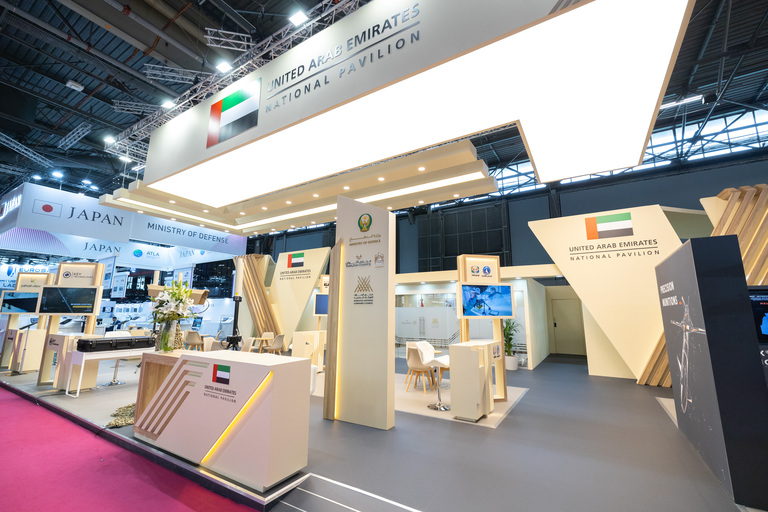
Benefits of Incorporating Touch Elements in Exhibition Booths
Although traditional exhibition booths rely heavily on visual appeal, incorporating touch elements considerably enhances visitor engagement by providing an interactive experience.
Touch features invite attendees to physically connect with displays https://www.touchconcept.com.my/, making the interaction memorable and personal. This tactile involvement fosters a deeper understanding of the product or service, moving beyond passive observation.
Visitors enjoy the freedom to explore at their own pace, leading to increased dwell time and genuine interest. Additionally, touch elements can cater to diverse learning styles, accommodating those who absorb information kinesthetically.
This approach also distinguishes a booth in crowded exhibition spaces, offering a unique attraction that draws attention naturally.
Ultimately, the integration of touch transforms the booth into an immersive environment, encouraging exploration and meaningful connections without constraints.
Key Features of Effective Touch Concept Services
Several critical features define effective touch concept services in exhibition booths, guaranteeing they deliver impactful and engaging experiences.
These services prioritize intuitive design, allowing visitors to interact naturally without confusion or frustration. Durability and responsiveness of touch elements are essential, guaranteeing consistent performance throughout the event.
Customization options enable alignment with the brand’s identity, creating a cohesive visual and tactile narrative. Integration with multimedia content enhances the sensory experience, providing depth beyond simple touch interaction.
Accessibility considerations guarantee inclusivity, allowing all attendees to engage comfortably. Finally, ease of maintenance and quick technical support minimize downtime, preserving the booth’s dynamic appeal.
Collectively, these features empower brands to create memorable, user-friendly touch experiences that invite exploration and foster a sense of freedom in interaction.
How Touch Experiences Enhance Brand Engagement
When designed effectively, touch experiences in exhibition booths markedly elevate brand engagement by fostering direct, memorable interactions.
These tactile elements invite visitors to explore products and services, creating a personal connection that visual or auditory stimuli alone cannot achieve. By enabling hands-on participation, brands empower attendees with a sense of control and freedom, enhancing retention and emotional resonance.
Touch experiences also break down barriers, encouraging spontaneous engagement and authentic feedback. This active involvement transforms passive observers into invested participants, deepening brand loyalty.
Additionally, thoughtful touch integration can differentiate a brand in crowded exhibition spaces, making it more approachable and relatable.
Ultimately, tactile interactions cultivate a dynamic environment where freedom to explore aligns with a meaningful brand narrative, strengthening overall impact and engagement.
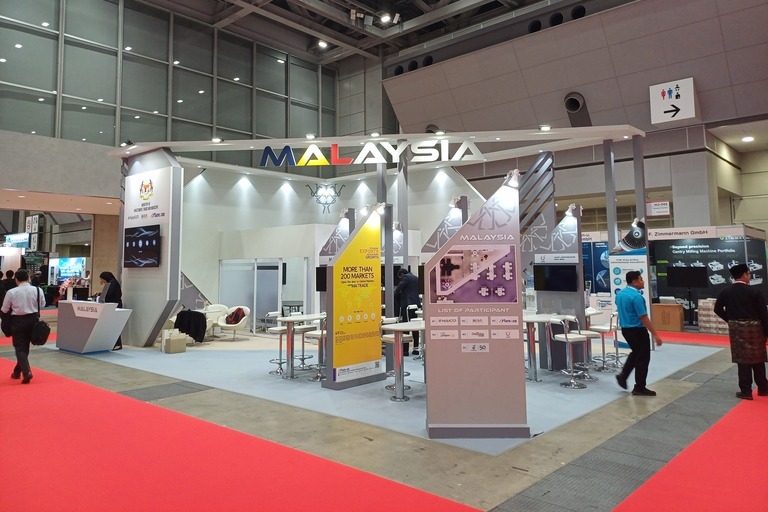
Selecting the Right Touch Technology for Your Booth
Building on the impact of tactile interactions, choosing the appropriate touch technology can greatly influence the effectiveness of an exhibition booth. Brands must consider the nature of their audience, the complexity of content, and the desired level of interaction.
Capacitive touchscreens offer smooth, intuitive engagement, ideal for dynamic content exploration. Resistive screens may suit environments requiring gloves or stylus use, ensuring accessibility. Multi-touch systems enable collaborative experiences, fostering connection and creativity. Projection-based touch solutions can transform surfaces, providing freedom in design and user interaction.
Additionally, durability and maintenance requirements affect long-term usability. Selecting technology that aligns with brand identity and visitor expectations empowers exhibitors to create memorable, liberating experiences. Careful evaluation of these factors allows brands to maximize engagement without compromising flexibility or ease of use.
Case Studies: Successful Touch Concept Implementations at Exhibitions
Although touch technology offers diverse possibilities, its true value is best demonstrated through real-world applications.
One notable case involved a tech startup that integrated multi-touch tables, allowing visitors to explore product features interactively, resulting in a 40% increase in engagement.
Another brand utilized gesture-based touchscreens to deliver personalized content, enhancing user autonomy and booth traffic.
A luxury automaker implemented large-scale touch walls, enabling attendees to customize vehicle designs freely, which boosted lead generation markedly.
These examples highlight how carefully tailored touch concepts empower brands to break conventional barriers, fostering immersive experiences that resonate with attendees seeking control and exploration.
Such implementations prove that thoughtful application of touch technology can transform exhibition booths into dynamic spaces where freedom and innovation converge seamlessly.
Conclusion
Incorporating touch concept services in exhibition booths greatly enhances brand engagement by creating interactive and memorable experiences. Effective touch elements, tailored to a brand’s objectives, foster deeper connections with attendees. Selecting appropriate touch technologies guarantees seamless integration and impact. Case studies demonstrate that well-executed touch experiences not only attract visitors but also reinforce brand messaging, ultimately driving greater interest and potential business opportunities at exhibitions.