

Feng Shui for bedroom arrangement emphasizes smooth chi flow through uncluttered, balanced spaces. The bed should be placed diagonally opposite the door with solid support behind the headboard, avoiding windows and direct alignment Tian Xuan Feng Shui. Furniture arranged to maintain open pathways and paired nightstands promotes harmony. Soft lighting, natural materials, and calming colors like muted blues or earthy neutrals enhance tranquility. Thoughtful placement fosters restful energy and well-being, suggesting further insights for creating a serene sanctuary await exploration.
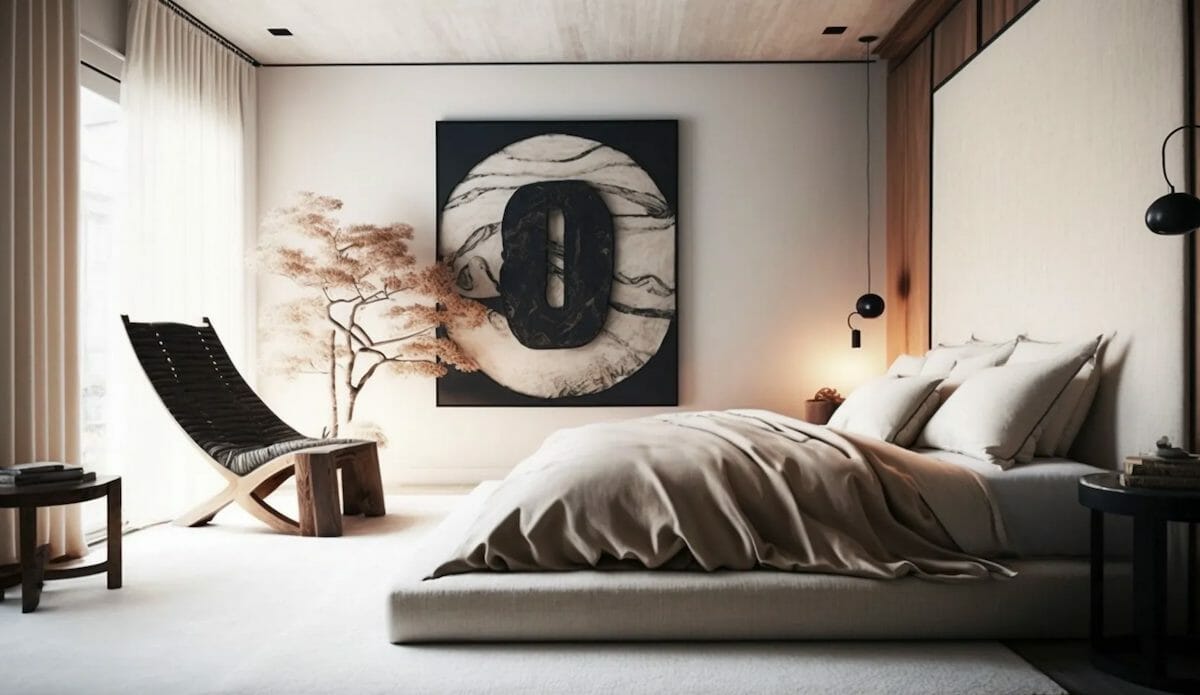
Feng Shui Basics: How Energy Flows in Your Bedroom
In understanding the art of feng shui, the flow of energy—or chi—within a bedroom serves as the foundation for creating a harmonious space feng shui bedroom. Chi moves like a gentle current, weaving through the room’s layout, influenced by the placement of furniture, natural light, and the balance of elements.
Unobstructed pathways encourage positive energy, while clutter disrupts flow, leading to stagnation. Surfaces should be smooth and materials natural, inviting calmness and clarity. Soft, diffused lighting enhances chi’s movement, promoting relaxation and rejuvenation.
The bedroom’s atmosphere thrives on balance—between openness and comfort, light and shadow, simplicity and intentionality—allowing inhabitants to experience freedom within their personal sanctuary. Mastery of these basics subtly shapes the environment, fostering restful energy that supports well-being and essentialness.
Feng Shui Bed Placement Tips for Balanced Chi
The bed, as the centerpiece of the bedroom, plays a pivotal role in guiding the flow of chi and establishing a balanced atmosphere. Proper placement encourages restful energy and personal freedom.
Key tips include:
- Position the bed diagonally opposite the door, allowing a clear view without being directly aligned, fostering security and openness.
- Avoid placing the bed under a window to prevent energy dispersal and maintain stability.
- make certain solid support behind the headboard, ideally a wall, to symbolize strength and grounding.
- Maintain balanced space on both sides of the bed to promote harmony and equal energy flow for occupants.
These intentional placements cultivate a serene sanctuary, empowering occupants to rest deeply while embracing a harmonious, flowing energy that supports freedom and well-being.
Feng Shui Furniture Arrangement for Positive Energy
When arranging furniture within a bedroom, intentional placement shapes the flow of positive energy, balancing functionality with tranquility. Positioning pieces to create open pathways encourages chi to circulate freely, avoiding cluttered corners that trap stagnant energy.
Beds should face the door without being directly aligned, promoting security while allowing space for movement. Nightstands on either side establish harmony and balance, fostering restfulness.
Dressers and seating areas benefit from placement against solid walls to provide stability and support. Mirrors, if used, should never face the bed, as they can disrupt calm.
Selecting furniture with clean lines and natural materials further enhances a serene atmosphere, inviting freedom through spacious, uncluttered design. This careful arrangement nurtures a bedroom that is both practical and energetically vibrant.

Feng Shui Colors to Boost Relaxation and Rest
Three carefully chosen color palettes can profoundly influence a bedroom’s atmosphere, enhancing relaxation and rest through Feng Shui principles. Colors impact energy flow, inviting calm and balance.
- Soft Blues and Greens: Evoke serenity and renewal, fostering a peaceful environment conducive to deep rest.
- Earthy Neutrals: Warm beiges and soft browns ground the space, creating stability and comfort without overwhelming the senses.
- Muted Pinks and Lavenders: Subtle hues inspire gentle emotional healing and calm, ideal for relaxation without distraction.
- Creamy Whites and Light Grays: Promote clarity and openness, supporting a tranquil yet liberating ambiance.
Choosing colors aligned with these palettes helps harmonize the bedroom’s energy, encouraging restorative sleep and a sense of freedom within the space.
Easy Feng Shui Fixes for Better Sleep and Calm
Simple adjustments grounded in Feng Shui principles can transform a bedroom into a sanctuary of rest and tranquility.
Positioning the bed to face the door without being directly in line encourages a sense of safety and control, promoting deeper relaxation.
Eliminating clutter from surfaces and under the bed enhances energy flow, preventing stagnation that disrupts calm.
Incorporating soft, natural fabrics and adjustable lighting allows personalization, inviting peaceful energy and comfort.
Placing plants with rounded leaves nurtures liveliness without sharp energy, subtly balancing the space.
Mirrors should be thoughtfully positioned to avoid reflecting the bed, preserving restful energy.
These practical tweaks foster an environment where freedom from stress is tangible, supporting restorative sleep and a serene mindset.
Conclusion
Incorporating Feng Shui principles into bedroom design enhances the flow of balanced chi, fostering tranquility and restful sleep. Thoughtful bed placement, harmonious furniture arrangement, and carefully chosen calming colors collectively create a serene sanctuary. These subtle yet intentional adjustments invite positive energy, promoting relaxation and emotional well-being. By embracing these practical Feng Shui fixes, one can transform the bedroom into an aesthetic haven that nurtures both body and mind, cultivating lasting peace and rejuvenation.