

Eco-friendly rat repellents focus on removing attractants, sealing entry points, and using low-toxicity deterrents and traps. Proven scent-based options include peppermint or eucalyptus formulations applied in concentrated spray for bed bugs, refreshed doses; predator odors and citrus can reduce exploratory visits short-term. Durable sealing with metal mesh, door sweeps, and vent guards denies access. Humane live-capture traps minimize harm when monitored frequently. Combining sanitation, exclusion, and targeted deterrents is most effective, and further practical guidance follows below.
Understanding Why Rats Invade Homes
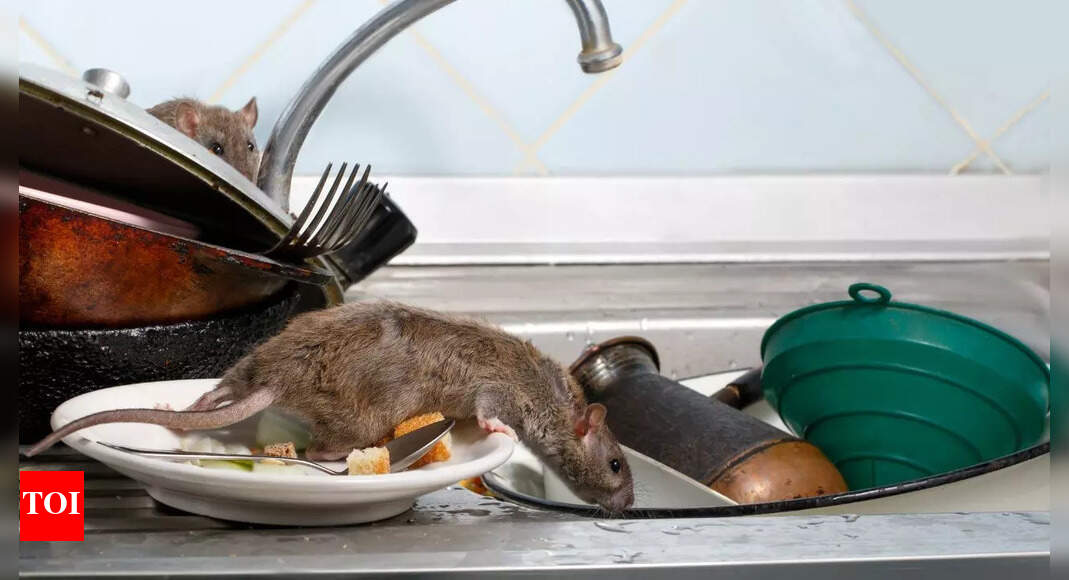
Rats enter homes primarily in search of food, water, and shelter, exploiting structural gaps and human-created resources; studies show commensal species like Rattus norvegicus and Rattus rattus preferentially colonize buildings that offer reliable food sources (garbage, pet food, stored grains), accessible nesting sites (crawl spaces, attics, wall voids), and moisture. Evidence-based assessments link infestations to quantifiable metrics: food availability correlates with population density, while structural access predicts points of ingress. Practical interventions consequently prioritize eliminating attractants and sealing entry points. Innovative approaches combine behavioral ecology with material science: redesigning waste containment, modifying landscaping to reduce moisture https://igreenasia.com/, and using durable exclusion materials at likely access points. Monitoring focuses on hotspots identified through systematic inspection and data-driven mapping to direct targeted, humane control measures.
Natural Scent-Based Deterrents That Work
In homes and perimeters where food and shelter draw commensal rodents, certain natural scents—derived from essential oils (peppermint, eucalyptus), predator odors (fox urine, cat fur), and compounds like naphthalene analogs found in some plant extracts—have shown measurable deterrent effects in short-term trials. Studies indicate concentrated peppermint oil vapor reduces exploratory visits; field trials with eucalyptus show variable results depending on airflow and substrate. Practical deployment favors targeted, replaceable dispensers: peppermint sachets in storage areas, strategically refreshed citrus peels near exterior entry points, and timed-release diffusers where ventilation allows. These methods are non-lethal, low-toxicity, and compatible with integrated pest strategies. Limitations include habituation, moisture degradation, and reduced efficacy without concurrent sanitation and monitoring for population rebound.
Creating Physical Barriers and Habitat-Proofing
When focused on exclusion and habitat modification, effective physical barriers combine durable materials, proper sealing techniques, and attention to likely entry points to deny commensal rodents access to food, water, and shelter. The strategy prioritizes targeted interventions: seal gaps with metal mesh or cement, install door sweeps and weather stripping at thresholds, and reinforce vents and utility penetrations with hardware cloth. Landscaping adjustments reduce harborages—trim dense vegetation, store firewood off the ground, and use garden netting to protect compost and produce. Rainwater management removes standing sources of moisture and reduces nesting appeal. Monitoring and routine inspection validate barrier integrity; prioritized repairs follow evidence of wear. This pragmatic, low-toxicity approach minimizes reliance on chemical controls while enabling adaptive, scalable implementations.

Humane Trapping and Live-Release Options
Employing humane live-capture traps offers a nonlethal option for addressing commensal rodent problems while prioritizing animal welfare and compliance with local regulations. The approach emphasizes targeted live capture, rapid assessment, and humane relocation where permitted. Selection of proven trap designs reduces stress and injury; monitoring schedules and bait strategies improve efficacy. Documentation of site, species, and release location supports ethical decision-making and regulatory compliance. Where relocation is prohibited or poses ecological risks, alternatives such as exclusion and habitat modification are prioritized.
Humane live-capture prioritizes welfare and legal compliance, using proven traps, prompt care, and responsible relocation or exclusion.
- Use certified live capture devices and species-appropriate bait.
- Implement frequent monitoring, minimal handling, and standardized release protocols for humane relocation.
- Record outcomes, assess local laws, and coordinate with wildlife professionals to assure ecological responsibility.
Eco-Friendly Commercial Products and When to Use Them
Among commercially available options, eco-friendly rat repellents and control products prioritize reduced environmental impact by using biodegradable materials, low-toxicity active ingredients, or mechanical designs that avoid poisons. Decision criteria include infestation size, non-target exposure risk, and site sensitivity. For localized problems, mechanical traps and live-capture stations minimize chemical use and allow humane relocation. In perimeter defense, plant based pellets formulated with botanical repellents can deter rodents while degrading without persistent residues; selection should favor tested formulations with clear efficacy data. Ultrasonic devices offer a non-chemical supplement but show variable field performance; they are best deployed as part of an integrated plan rather than sole treatment. Professional consultation guarantees product choice aligns with regulatory standards and conservation goals.
Conclusion
Effective, eco-friendly rat control combines understanding rat behavior, employing proven scent deterrents, sealing entry points, and using humane traps when required. Evidence supports targeted habitat modification and exclusion as the most sustainable measures, supplemented by commercially formulated, low-toxicity products only when monitoring indicates persistent infestation. Implementing these practices reduces health risks and structural damage while protecting non-target species and the environment. Regular inspection and prompt corrective action guarantee long-term success and a healthier home.