
Inside Upstage’s Process for Interior Design Exhibition Planning
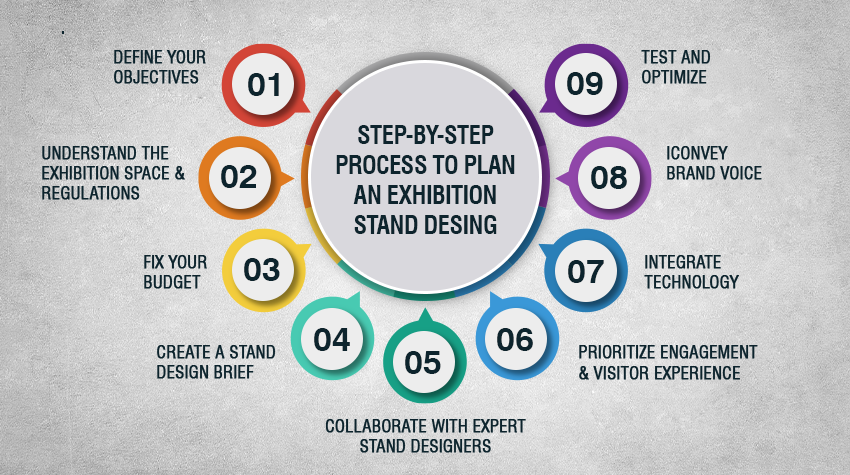
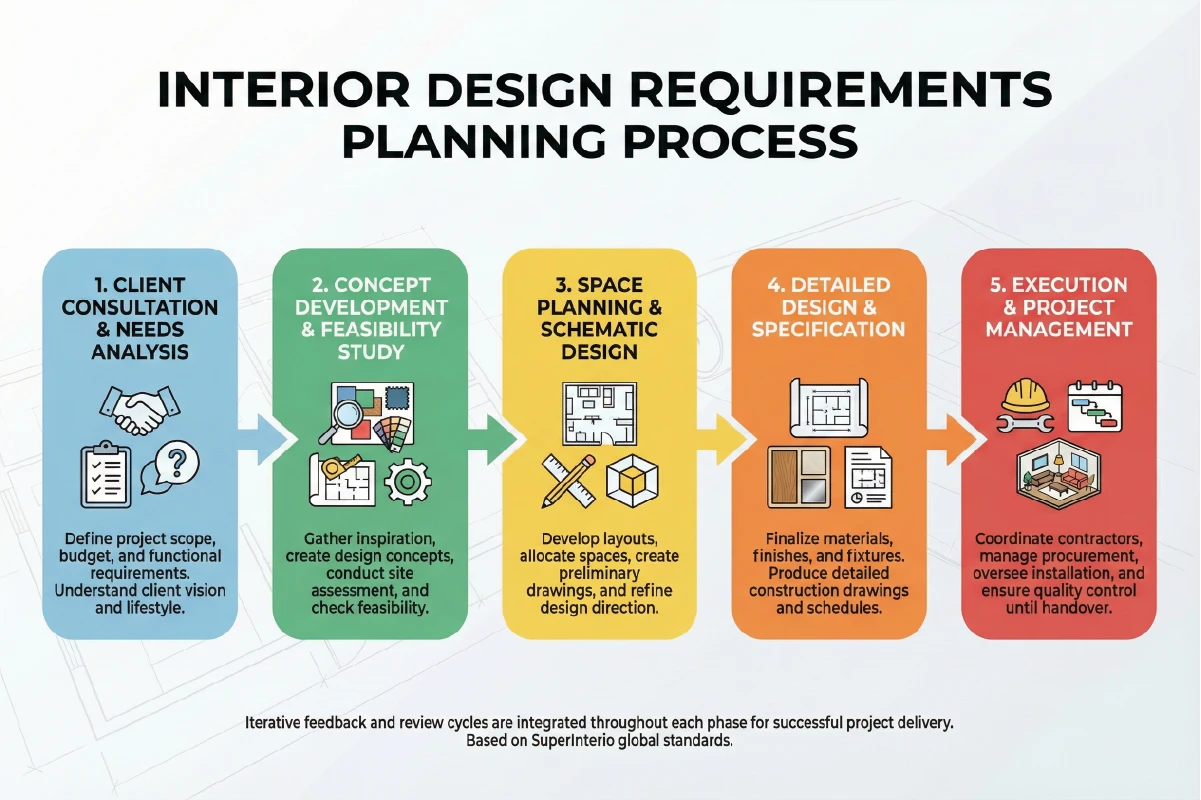
Upstage’s interior design exhibition planning begins with clear concept development and vision alignment, ensuring all stakeholders share a unified creative goal. Collaborative design brings together diverse expertise to select materials that balance aesthetics and sustainability. Detailed planning addresses scheduling, budgeting booth design for exhibition, and technical preparation, while on-site installation focuses on maintaining design integrity through quality control. Interactive elements are integrated to engage visitors actively. Exploring these stages reveals how Upstage transforms ideas into immersive design experiences.
Concept Development and Vision Alignment
Although the success of an interior design exhibition depends on many factors, concept development and vision alignment serve as its foundational elements.
These stages establish a clear framework, guiding all subsequent decisions toward a cohesive narrative. By defining a central theme, designers create a unifying story that resonates with diverse audiences, allowing freedom within structure.
Vision alignment guarantees that all stakeholders—from designers to curators—share the same creative intent, fostering consistency and purpose https://upstageexpo.com/home. This alignment not only clarifies objectives but also empowers contributors to explore innovative interpretations without compromising the exhibition’s integrity.
Ultimately, this disciplined yet flexible approach enables the exhibition to evoke inspiration and invite personal connection, balancing artistic expression with a strategic foundation that supports freedom in design exploration.
Collaborative Design and Material Selection
When multiple disciplines converge, collaborative design becomes essential in interior design exhibitions, ensuring that diverse expertise shapes a unified outcome.
Upstage’s process emphasizes open dialogue among designers, architects, fabricators, and clients, fostering an environment where ideas flow freely and innovation thrives.
Material selection is approached with equal care, balancing aesthetics, functionality, and sustainability to support the exhibition’s narrative. Choices range from traditional textures to experimental composites, each evaluated for impact and feasibility.
This collaborative synergy allows freedom in exploring unconventional combinations while maintaining coherence. The interplay between creative vision and practical input results in materials that not only enhance visual appeal but also engage visitors tactilely, contributing to a compelling, immersive experience that reflects the collective ambition behind the design.
Detailed Planning and Technical Preparation
Effective interior design exhibitions rely heavily on meticulous planning and thorough technical preparation to transform creative concepts into tangible environments.
Upstage prioritizes detailed scheduling, budgeting, and resource allocation to guarantee every element aligns with the overall vision. Precise floor plans and technical drawings are developed to guide spatial arrangements and lighting configurations, maximizing both aesthetic impact and visitor flow.
Coordination with vendors and technical teams is critical to secure materials, fixtures, and technology on time. Risk assessments and contingency plans address potential challenges proactively.
Additionally, digital modeling and simulations are employed to preview the exhibition layout and identify any spatial or functional issues before execution. This disciplined approach empowers creative freedom while maintaining control over practical constraints, guaranteeing a seamless shift from design to reality.
On-Site Installation and Quality Control
The shift from thorough planning and technical preparation to on-site installation marks a pivotal phase in interior design exhibitions. During this stage, the execution team assembles the exhibition elements with careful attention to the original vision and technical specifications.
Precision in placement and alignment guarantees the design’s integrity is maintained. Quality control runs concurrently, involving systematic inspections to identify and address any discrepancies.
Materials, lighting, and structural components undergo rigorous evaluation to meet safety and aesthetic standards. This process balances adherence to the plan with adaptability to unforeseen challenges, allowing for real-time adjustments without compromising the overall concept.
Successful on-site installation and quality control create a seamless, polished environment that invites visitors to experience the design’s essence as intended.
Engaging the Audience Through Interactive Elements
Although visual appeal remains essential, incorporating interactive elements greatly enhances visitor engagement in interior design exhibitions.
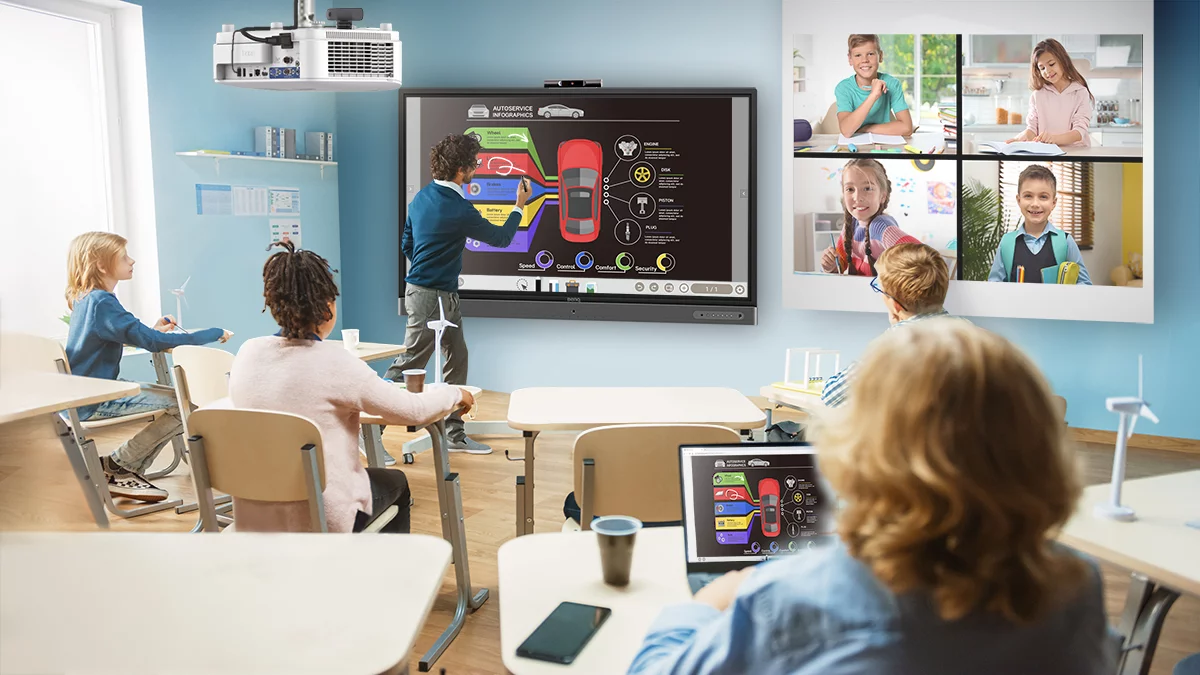
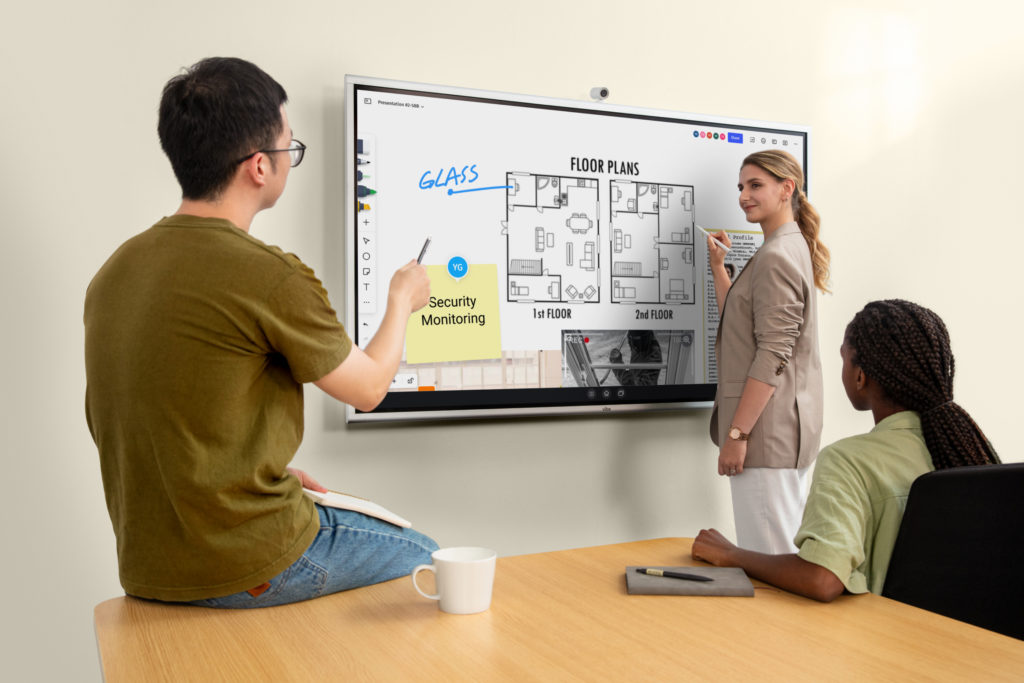
Upstage integrates touchscreens, augmented reality, and tactile samples to invite visitors into a dynamic exploration of design concepts. These tools allow individuals to customize room layouts, experiment with color palettes, and experience materials virtually, fostering personal connection and creative freedom.
Interactive stations encourage curiosity and prolong engagement, transforming passive observation into active participation. By offering choices and hands-on experiences, Upstage respects visitors’ desire for autonomy and self-expression.
This approach not only educates but also empowers attendees, making the exhibition memorable and inspiring. Through thoughtful integration of technology and sensory interaction, Upstage redefines how audiences experience interior design, prioritizing freedom and involvement at every stage.
Conclusion
Upstage’s interior design exhibition planning exemplifies a meticulous and collaborative approach, beginning with clear concept development and vision alignment. Through careful material selection and detailed technical preparation, the process guarantees both aesthetic coherence and practical execution. On-site installation is managed with precision and quality control, while interactive elements engage audiences effectively. This thorough methodology highlights Upstage’s commitment to creating immersive and thoughtfully crafted interior design experiences.…